
Quick Answer: A prompt engineering course is designed to teach participants how to effectively create, refine, and optimize prompts for AI systems, particularly in natural language processing. This skill set is increasingly crucial as AI technologies become more integrated into various industries.
Understanding Prompt Engineering
Prompt engineering is the art and science of crafting prompts that elicit the desired response from AI models, particularly those based on natural language processing (NLP). With the rise of AI technologies like ChatGPT and Google Gemini, mastering prompt engineering has become essential for professionals looking to leverage these tools effectively.
What is a Prompt?
A prompt is essentially an instruction or input given to an AI model to generate a response. The quality of the prompt directly influences the output's relevance, coherence, and accuracy. For instance, a well-structured prompt can lead to insightful, contextually appropriate responses, while a poorly designed prompt may yield irrelevant or nonsensical output.
Why is Prompt Engineering Important?
The significance of prompt engineering cannot be overstated. Here are some key reasons:
- Increased Efficiency: Well-crafted prompts can significantly reduce the time spent on generating relevant AI outputs.
- Enhanced Accuracy: Effective prompts lead to more precise and contextually appropriate responses.
- Broader Applications: Understanding prompt engineering allows professionals to apply AI in various domains, from customer service to content creation.
Key Concepts in Prompt Engineering
Before diving into a prompt engineering course, it's essential to familiarize yourself with some foundational concepts:
- Context: The background information provided in a prompt that informs the AI about the required output.
- Clarity: Clear and concise prompts help avoid misunderstandings by the AI model.
- Specificity: Specific prompts yield more targeted and relevant responses.
Types of Prompts
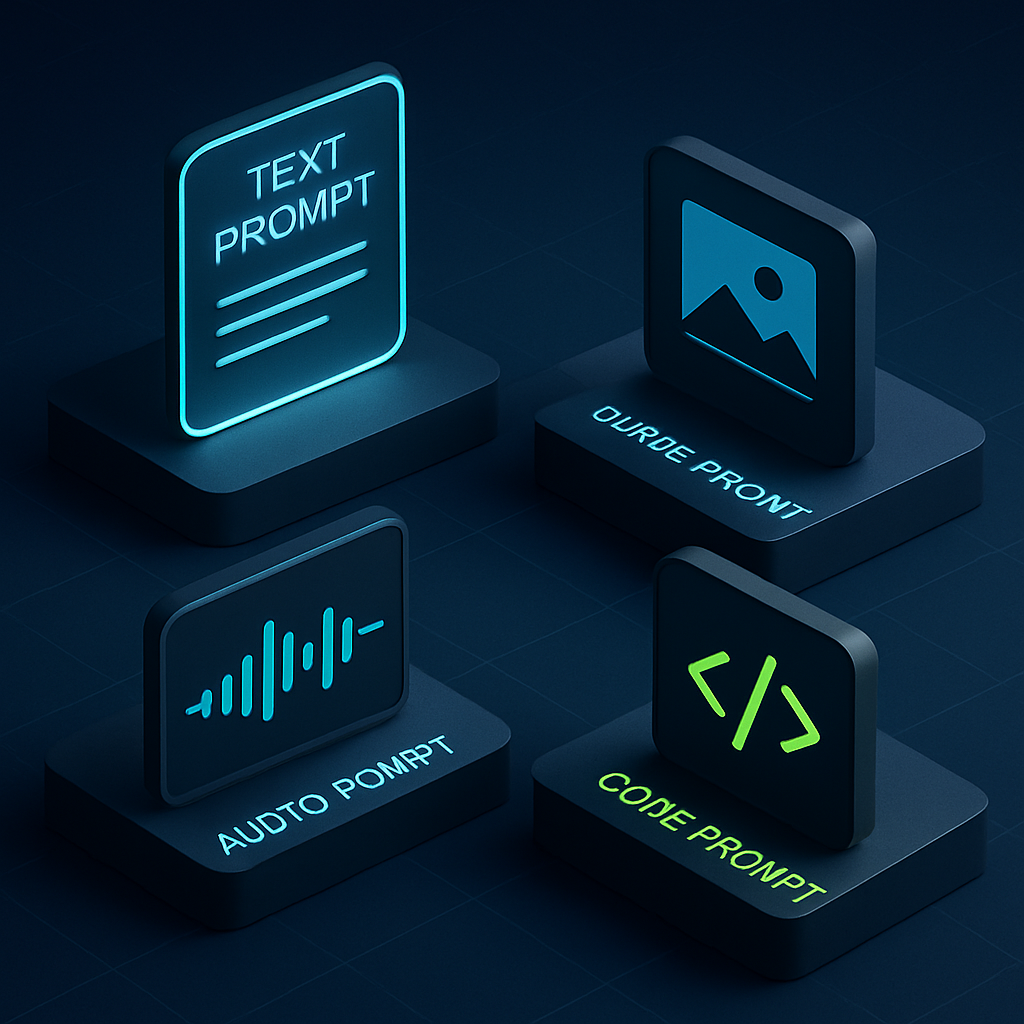
Different types of prompts can be used depending on the desired outcome. Here are a few common types:
- Instructional Prompts: Direct the AI to perform a specific task (e.g., "Summarize the following text").
- Conversational Prompts: Engage in a dialogue with the AI (e.g., "What do you think about renewable energy?").
- Creative Prompts: Encourage the AI to generate original content (e.g., "Write a poem about autumn").
Structure of a Prompt Engineering Course
A comprehensive prompt engineering course typically consists of several key components:
- Introduction to AI and NLP: Understanding the basics of artificial intelligence and natural language processing.
- Crafting Effective Prompts: Techniques for creating prompts that yield high-quality responses.
- Iterative Testing and Refinement: Learning how to test prompts and refine them based on AI output.
- Ethics and Considerations: Discussing ethical implications and potential biases in AI responses.
Course Format
Most prompt engineering courses offer a blend of theoretical knowledge and practical exercises. Here’s what you might expect:
- Lectures: Covering core concepts and theories.
- Hands-on Workshops: Allowing participants to practice crafting prompts.
- Case Studies: Analyzing real-world applications of prompt engineering.
Comparison of Prompt Engineering Tools
As you delve into prompt engineering, you may encounter various tools designed to help optimize your prompts. Below is a comparison of some popular tools:
| Tool | Features | Best For |
|---|---|---|
| OpenAI Playground | Interactive prompt testing | Quick experimentation |
| Google Colab | Cloud-based coding environment | Data analysis and scripting |
| PromptHero | Prompt management and optimization | Organizing prompts |
| AI Dungeon | Creative storytelling with AI | Narrative generation |
Practical Applications of Prompt Engineering
Understanding prompt engineering opens the door to numerous applications across various fields:
- Content Creation: Writers can use AI to generate ideas, outlines, or even full articles.
- Customer Support: Businesses can automate responses to common queries, improving efficiency.
- Education: Educators can create personalized learning experiences by tailoring prompts to student needs.
Challenges in Prompt Engineering
While prompt engineering is a valuable skill, it comes with its own set of challenges:
- Ambiguity: Vague prompts can lead to unexpected or irrelevant responses.
- Bias: AI models can inherit biases present in the training data, necessitating careful prompt crafting.
- Dynamic Nature of AI: As AI models evolve, so too must the techniques for prompt engineering.
Tips for Overcoming Challenges
Here are some strategies to mitigate common challenges:
- Iterative Testing: Continuously test and refine prompts based on AI output to improve clarity and relevance.
- Diverse Input: Use a variety of prompts to understand how different structures impact responses.
- Stay Informed: Keep up with advancements in AI and NLP to adapt your prompt engineering strategies.
Conclusion: The Future of Prompt Engineering
As AI technology continues to advance, the demand for skilled prompt engineers is expected to grow. By enrolling in a prompt engineering course, you position yourself at the forefront of this innovative field.
"Mastering prompt engineering is not just about crafting better prompts; it's about understanding the interaction between humans and machines."
Next Steps
If you're interested in exploring more about AI and its applications, consider checking out our Machine Learning: Comprehensive Guide to How Computers Learn or our ChatGPT for Beginners: Understanding Prompts, Context and Better AI Responses.

Additional Resources
To deepen your understanding of the topics discussed, you might find the following resources helpful:
- What Is Prompt Engineering? A Beginner's Guide to Better AI Instructions
- How Machine Learning Systems Are Actually Built
- Thinking Clearly About Data Science
Getting Started with Your Learning Journey
When embarking on your prompt engineering journey, consider the following tips:
- Set Clear Goals: Define what you want to achieve by learning prompt engineering.
- Engage with the Community: Join forums and discussion groups to exchange ideas and techniques.
- Practice Regularly: The more you practice, the more proficient you will become in crafting effective prompts.

Conclusion
A prompt engineering course equips you with the necessary skills to harness the power of AI effectively. As technology evolves, staying ahead of the curve in prompt engineering will be invaluable for professionals across various sectors.